


Share this post

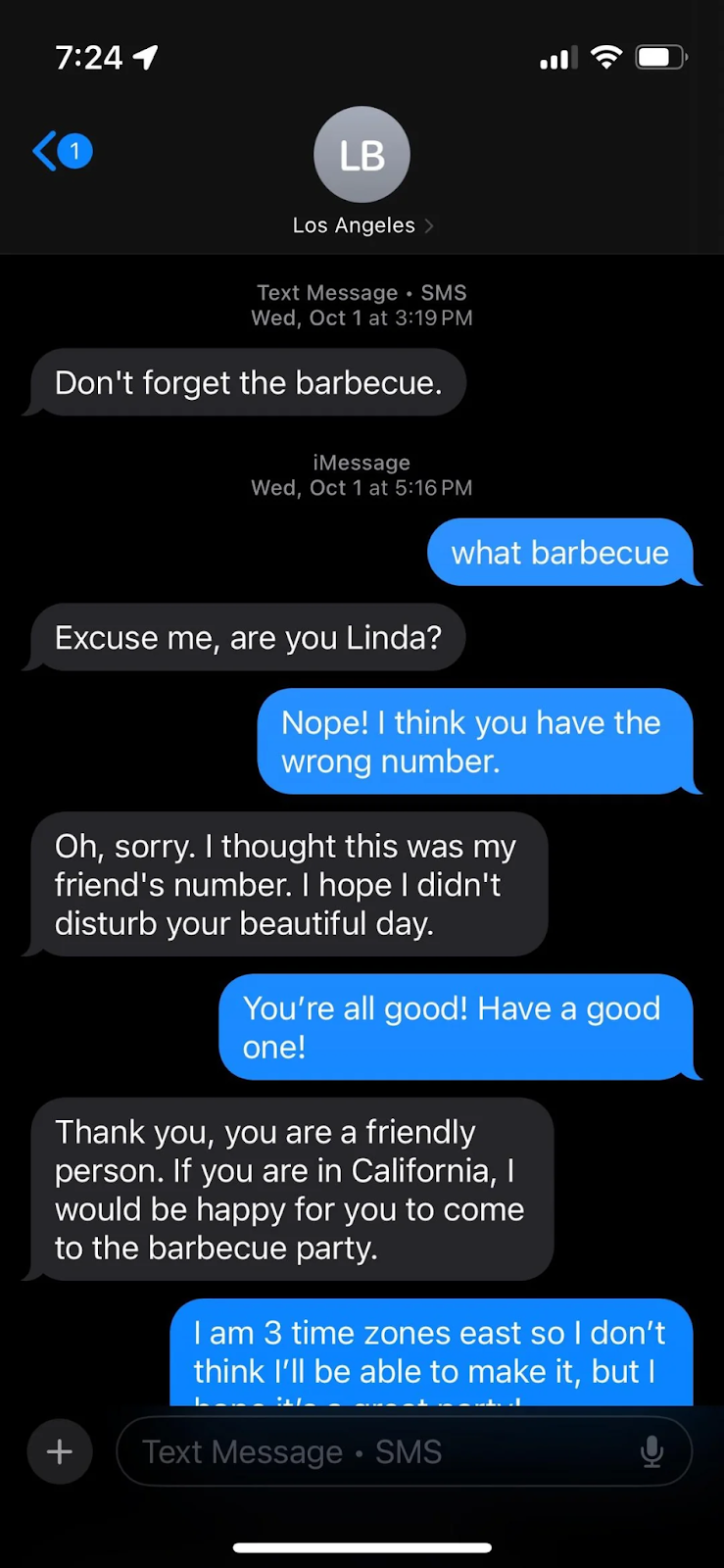
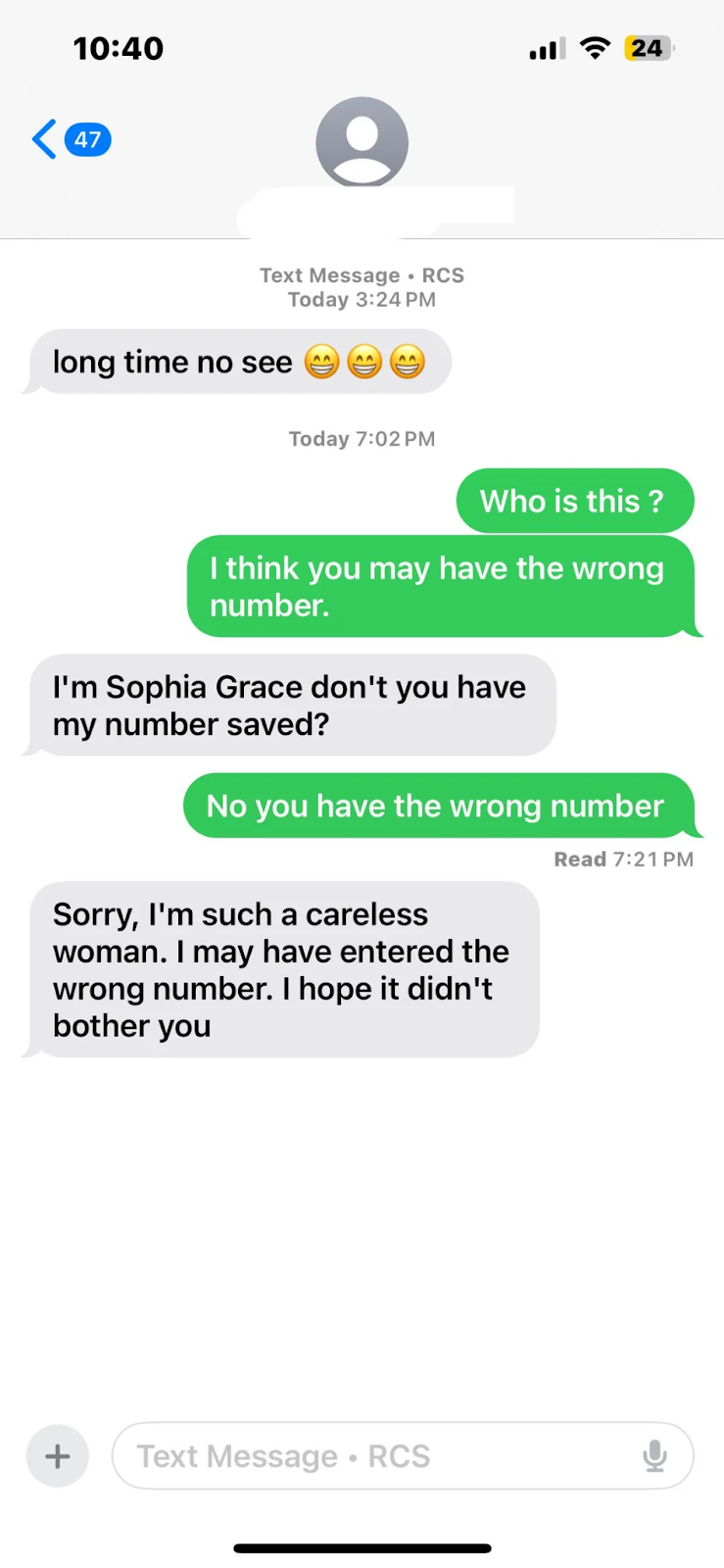
It starts with a simple, friendly message: “Hi, how are you?”
“Hey, are we still meeting tomorrow? I had a great time at the club Saturday!”
At first glance, it might seem like a harmless mistake, just a wrong number. But these messages are almost never accidental. They’re often the opening move in sophisticated investment scams, sometimes known as “pig-butchering” scams, where cybercriminals build fake relationships to trick victims into losing large sums of money.
According to recent data from ZDNET, online investment scams only in the US cost victims $3.5 billion in the first half of 2025 alone. The median loss reached $10,000, the highest among all types of fraud. These scams are not rare accidents, they are an organized, evolving threat.
The scam begins with what looks like a simple mistake: a text claiming to reach a friend, colleague, or appointment. Topics can be completely ordinary, food, travel plans, business meetings, or even just a generous phrase.
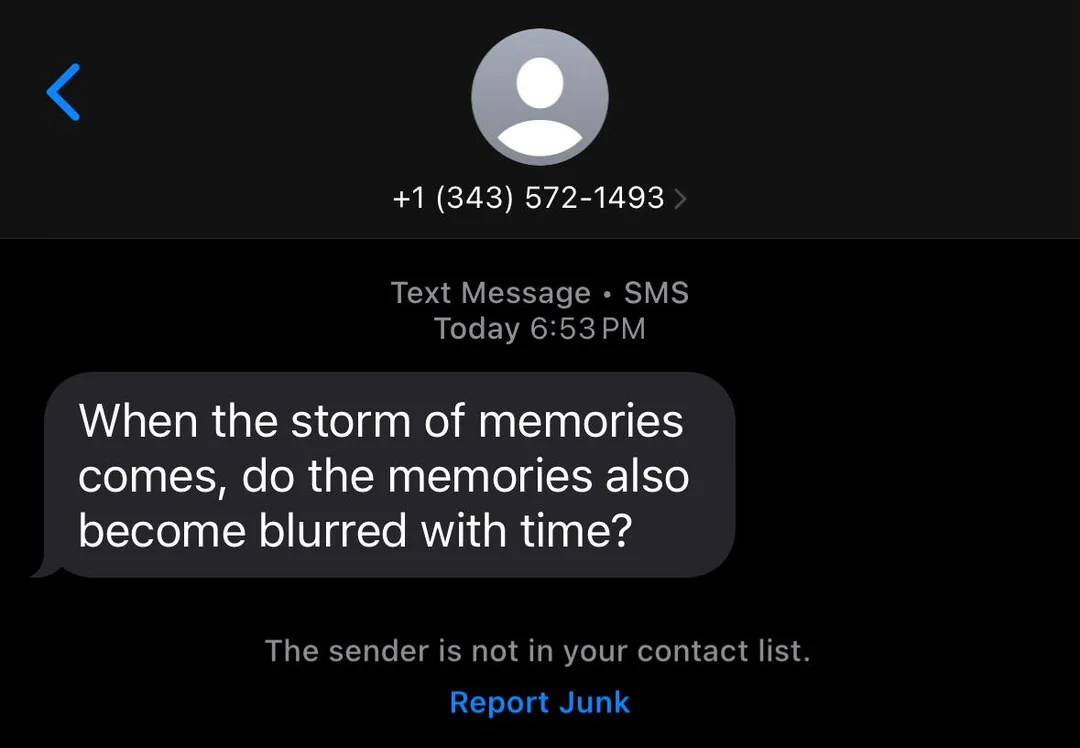
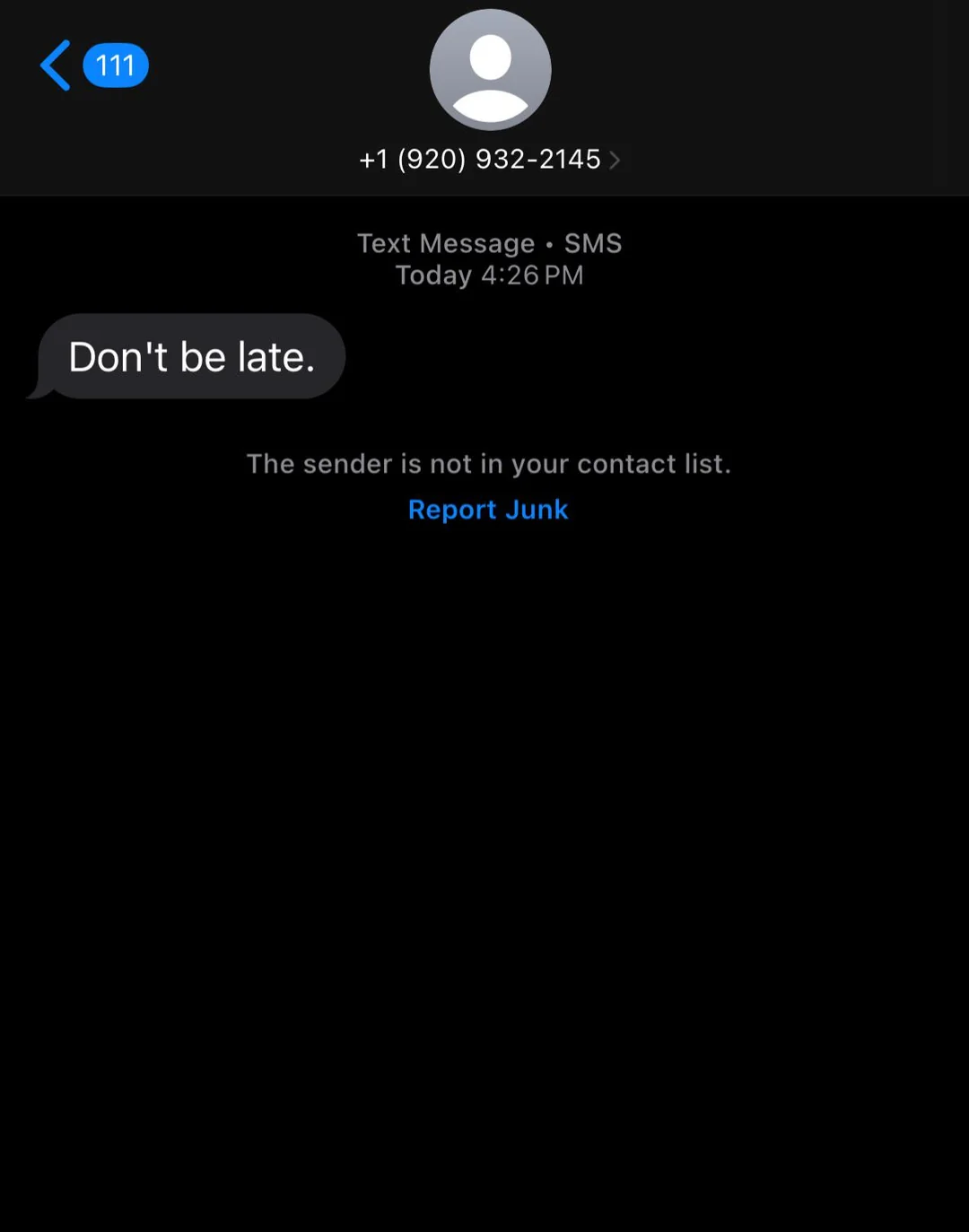
If you reply out of courtesy, the scammer sees you as a live target. That one friendly response confirms that your number is active and that you’re polite enough to engage. After apologizing, the scammer quickly becomes friendly, often complimenting your kindness. Soon after, they send a picture, typically an AI-generated photo of an attractive woman or man. The goal is to spark a personal connection. Over days or weeks, they maintain casual, flattering conversations. Some even claim to live in glamorous cities like Los Angeles, Zurich, or Singapore, and describe themselves as entrepreneurs or investors.
Eventually, the talk turns to money. The scammer tells you they’ve made a fortune trading cryptocurrency or gold. They might mention a mentor or family member (often an "uncle" or a "friend") who taught them how to invest successfully. Because you’ve built trust, they generously offer to help you get rich too. But the investment platform they share is nothing but fake, often a convincing clone of a legitimate website or app. First, you may even see fake profits on your dashboard. Encouraged, you invest more.
Then, one day, your money and your new “friend” vanish.
This type of fraud isn’t new. In fact, it’s one of the oldest tricks in the book: a message that seems harmless at first, then slowly shapes itself into whatever the scammer thinks will draw you in. For one person, it may look like the start of a romance. For another, it might feel like a new friendship, a shared hobby, or an incredible coincidence that makes the connection seem meant to be.
What has changed is the technology behind it. With modern AI tools and convincing deepfakes, scammers can craft identities that appear more realistic than ever. Photos, voices, even short videos can be generated to make you feel as though you’re speaking to someone genuine.
These criminals work without boundaries or conscience. They study reactions, look for emotional openings, and exploit anything they can - loneliness, fear, stress, or hope. Their goal is always the same: to keep you engaged just long enough to take your money and disappear, leaving you ^^, confused, and financially devastated.
The most effective way to protect yourself is simple: don’t reply and don’t engage. Even a brief, polite message confirms to scammers that your number is active. From that moment on, every word you share helps them build a profile of who you are and what might persuade you. Walking away from one scam doesn’t end the risk. Your number may be circulated or sold, and new attempts may follow. Each one crafted to target your habits, interests, or vulnerabilities.
Staying silent stops the process before it begins. Block the number, report the message, and move on. Your caution closes the door before scammers have a chance to step inside.
If a stranger quickly becomes friendly, apologetic, or overly personal, it’s likely a scam. Real wrong-number messages don’t try to build a relationship, send photos, or continue the conversation.
Stop responding immediately. Block the number and report it to your mobile carrier or messaging platform. Do not click any links, download files, or share personal information.
No, a simple reply doesn’t give them technical access. But it does confirm your number is active and that you’re willing to engage, which puts you on a target list for further manipulation attempts.
It’s a trust shortcut. Attractive, AI-generated images create emotional engagement and make the person seem real. The goal is to lower your skepticism and keep you invested in the conversation.
Yes. Scammers now use AI to create faces, voices, and even short videos. These identities are designed to appear flawless, friendly, and believable — making the manipulation harder to recognize.
Yes. You can report them to your carrier, or the revel8 reporting app (only available for revel8 clients), or your messaging app. Reporting helps block large-scale scam operations.
Absolutely. Silence removes all leverage. If you never reply, scammers can’t profile you, build rapport, or guide you into a financial trap.